Seven masks compared by features, everyday practicality and price
Choose a premium model when its extras solve a specific need
A good LED mask needs to do more than look impressive on a dressing table. It should offer the light options you want, fit into a routine you can maintain and leave you comfortable with what you paid. With premium models now costing several hundred pounds, those last two points matter.
REDD Therapy is our number-one pick for overall value. At £149, it combines red and near-infrared light, a flexible silicone mask and adjustable session lengths at the lowest listed price in this comparison. It is the most appealing starting point if you want a straightforward home LED routine without paying for app personalisation or under-eye cooling.
There are good reasons to spend more. Shark adds cooling, CurrentBody offers extensive customisation, and cordless designs make sense if a separate controller would frustrate you. Below, we explain who each mask suits and where the extra spend is harder to justify.
Red and near-infrared, plus green and yellow modes
Flexible silicone with 5, 10 or 15-minute timers
Cons
No blue-light mode or under-eye cooling
Mask connects by cable to its rechargeable controller
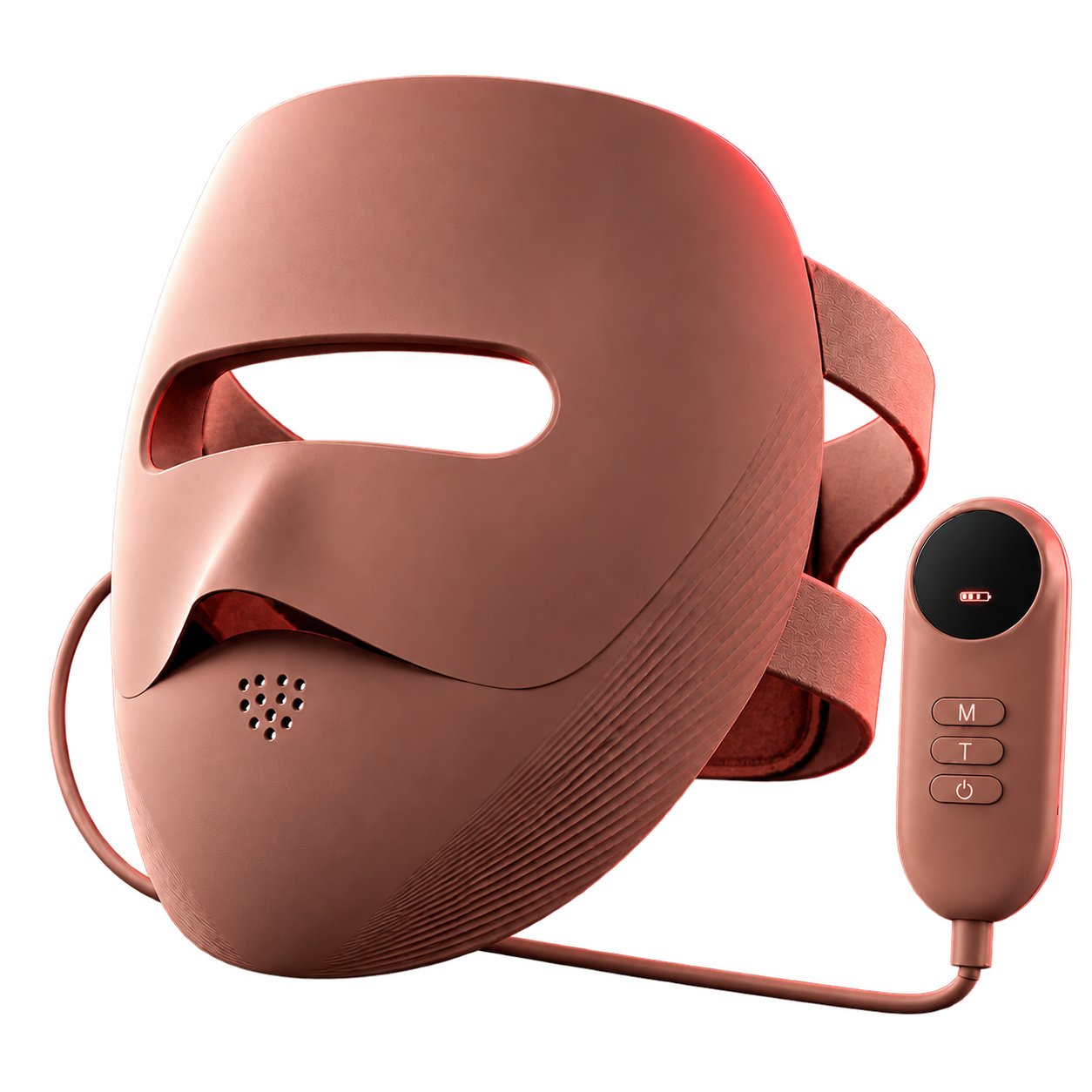
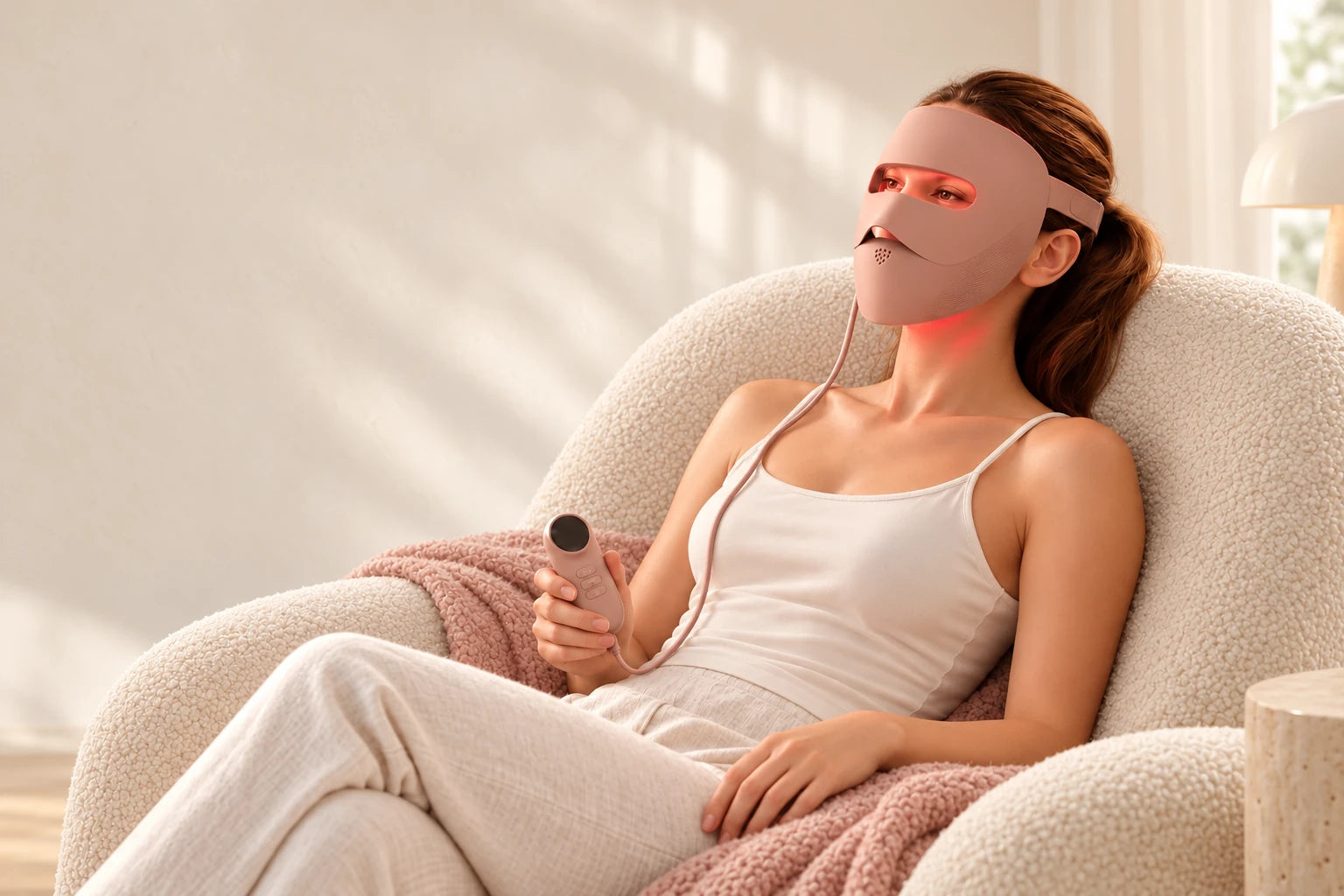
REDD makes the strongest value case in this shortlist. Its £149 price buys a flexible silicone mask with 328 LEDs and four wavelengths: 660nm red, 850nm near-infrared, 525nm green and 590nm yellow. The red-plus-near-infrared setting is the main attraction for a simple routine; the extra colours need not be the reason you buy it.
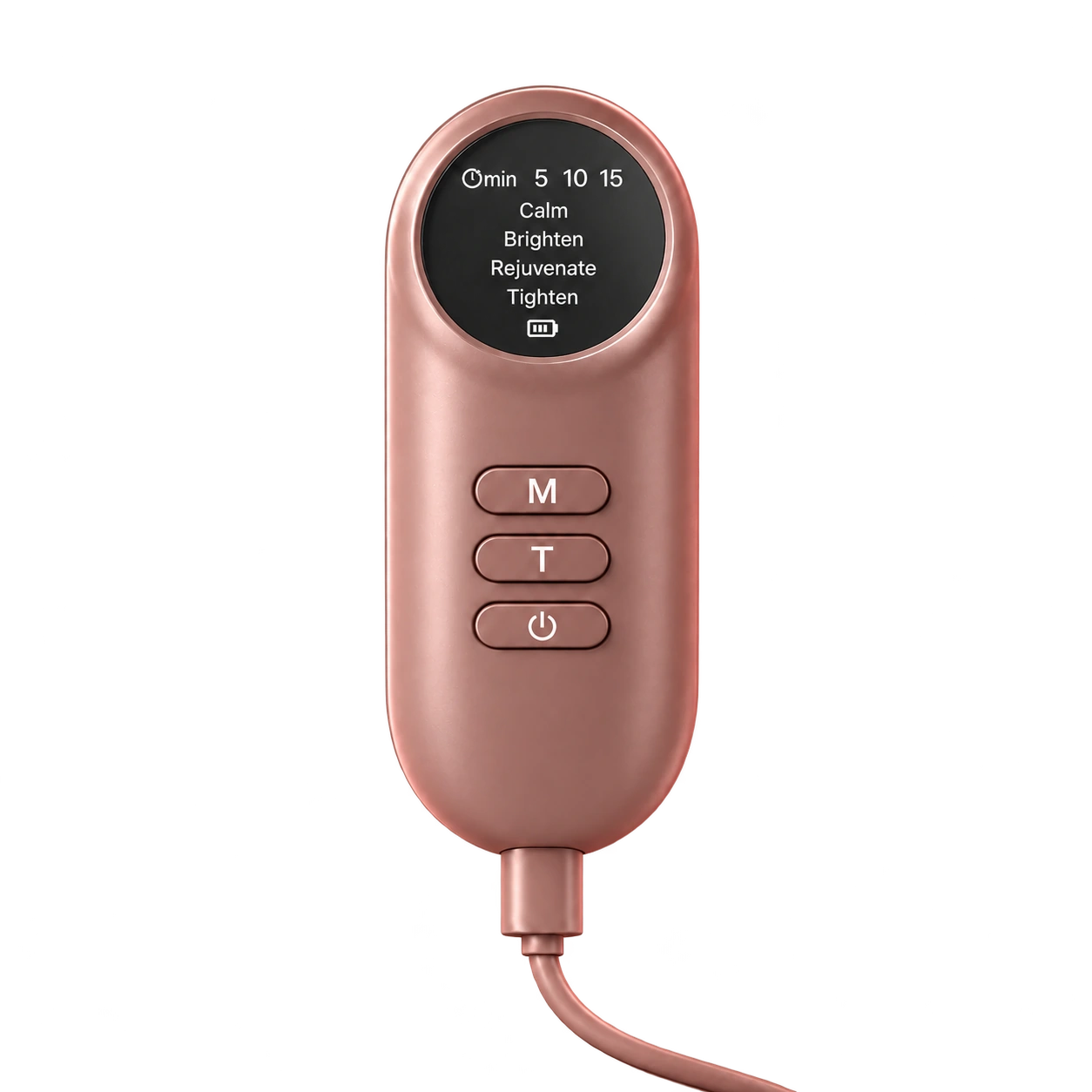
The adjustable timer is useful if you prefer choosing between 5, 10 and 15 minutes. A rechargeable USB-C controller keeps controls separate from the mask, although the connecting cable means this is not a fully wireless design.
At the checked prices, REDD costs £150.99 less than Shark and £350.99 less than CurrentBody Series 3. That is a compelling difference if you would rarely use cooling or an app. Choose it for an accessible feature set and a much smaller initial outlay. Choose another model if blue light, cordless use or a specific premium feature is essential.
Six wavelengths including blue and deep near-infrared
MyDose app and four preset routines
Flexible design with chin coverage
Cons
£350.99 more than REDD at the checked price
Customisation adds choices some users will not need
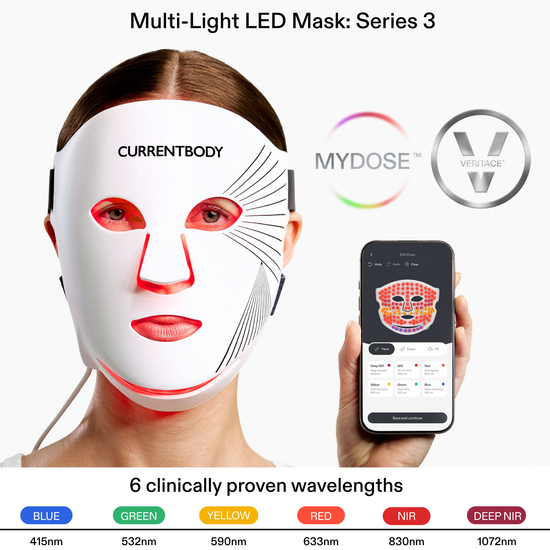
Series 3 is the CurrentBody to consider if you want a broader choice of treatments and settings. Its six wavelengths span red, near-infrared, deep near-infrared, blue, green and yellow, with 750 LED bulbs and a MyDose app for personalisation. Four presets provide a simpler route if you would rather start with a ready-made routine.
The flexible mask includes chin coverage, with ten-minute sessions designed to fit into a regular weekly schedule. That combination makes it a credible premium option for someone who enjoys adjusting their beauty routine rather than using one setting indefinitely.
The question is whether those extras are worth £499.99 to you. We would choose Series 3 for its range and customisation. For a straightforward red-and-near-infrared routine, REDD has a much lower entry cost. A larger specification does not, by itself, prove a proportionally larger improvement in your skin.
Rigid design is less flexible than a silicone mask
Cooling adds cost if you only want LED treatment
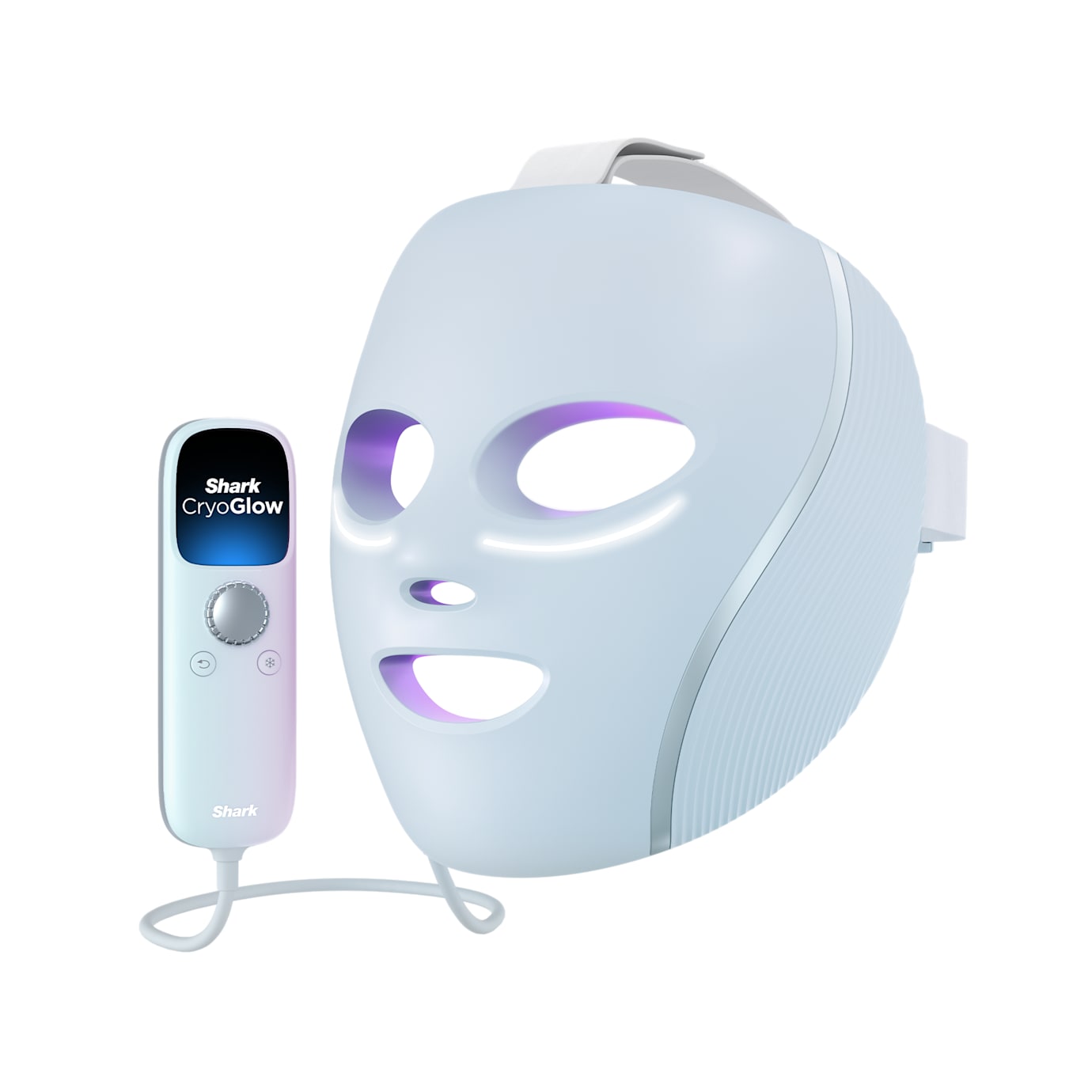
CryoGlow has the clearest reason to spend more than REDD: adjustable under-eye cooling. Its chilled pads offer three levels, and cooling can be used independently or alongside an LED routine. If that soothing step is something you already enjoy, the extra hardware has an obvious purpose.
The Blue Frost FW312UK compared here offers four routines, including a six-minute Better Ageing programme, an eight-minute Blemish Repair programme and a four-minute Skin Sustain programme. The rigid mask and remote make this a different proposition from a lightweight silicone design.
Buy Shark for the combination of light and cooling. If your priority is simply adding red and near-infrared to your routine, REDD is less expensive. The £299.99 comparison price is before optional promotional codes, so check Shark’s current offer and delivery coverage; this listing excludes Northern Ireland.
Eight wavelengths including red, blue and near-infrared
App-guided treatment choices
Cons
Highest listed price in this comparison
Harder to justify if you prefer one simple setting
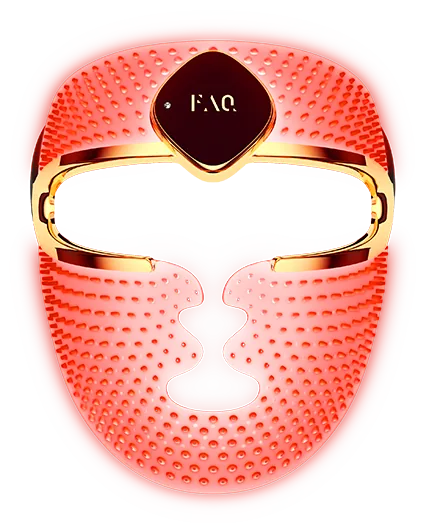
The FAQ Swiss 202 is a luxury option for someone who wants to avoid a separate wired controller. Its flexible silicone design is wireless during use, while the app provides guided routines and control over treatment choices. Eight wavelengths and 600 light points make the specification extensive.
Portability is the meaningful distinction here. A cable can make a home routine feel more stationary; removing it may be worth paying for if that is what helps you use a mask consistently. App routines will also appeal to people who enjoy having settings organised for them.
At £719 for the standalone mask, however, the premium over REDD is substantial. Choose the FAQ 202 for the wireless experience and app features. Its price and light-point count are not evidence that it will deliver better results for every user. Check that you are buying the 202 mask, rather than a differently priced bundle or another FAQ model.
Check retailer stock and dispatch timing before ordering
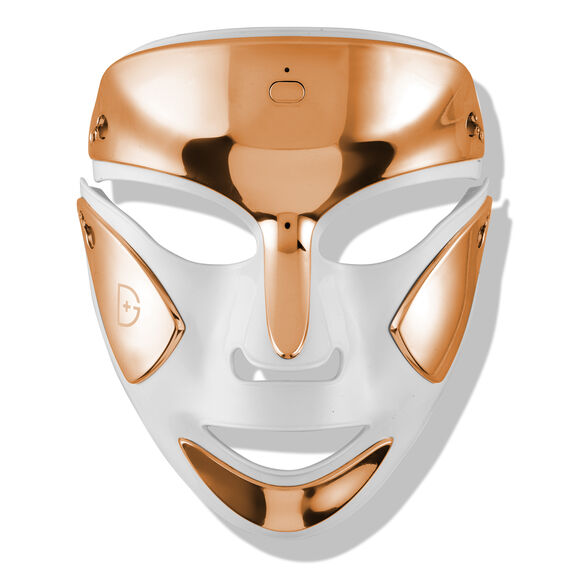
FaceWare Pro keeps its appeal simple: a three-minute daily programme. It offers red light, blue light or both together, with an automatic shut-off that removes the temptation to keep checking a timer. If long treatments are the reason a device would end up unused, this is an attractive approach.
The structured mask and cordless operation suit someone who wants a familiar, repeatable routine with few decisions. Blue light is also a practical distinction from REDD, which does not offer a blue-light mode.
At £465 through Space NK, convenience comes at a premium. It is worth considering if a short daily session is your main requirement. If you are comfortable setting aside more time and do not need blue light, REDD is a far less expensive way into the category. Check stock status and dispatch details on the retailer page before committing.
Includes 850nm and 1072nm near-infrared wavelengths
Soft silicone with cushioned eye protection
Cons
£160 more than REDD at the checked price
Uses a separate wired controller
LumaLux Face sits between REDD and the most expensive masks, pairing three-minute sessions with a broad specification. It includes five wavelengths, eight modes and 800 LEDs, with 630nm red, 850nm near-infrared and 1072nm deep near-infrared among its options. Cushioned eye protection is built into the soft silicone design.
The strongest reason to consider it is the short routine combined with those near-infrared options. That may be more useful to you than an app or cooling system. It remains a mask with a separate wired controller, so it does not solve the cable issue in the way a cordless design can.
At £309, this is an interesting step up for time-conscious buyers. The additional wavelengths and LED total do not establish a guaranteed advantage over REDD. Decide whether the three-minute routine is worth the £160 difference, and select the Face version rather than a face-and-neck bundle.
Longer sessions than the three-minute alternatives
Beautifect is the option to consider if you want a cordless mask without building your routine around an app. Its silicone design has eight modes, a 15-minute timer and USB-C charging. The specification includes red and near-infrared light, with 78 four-in-one LED units.
That last number should not be compared directly with brands counting individual emitters or light points. The more useful distinction is how the mask fits your evening: no separate wired controller, a fixed session length and straightforward controls.
At £349, Beautifect costs £200 more than REDD. The extra spend makes most sense when cordless convenience is a priority. If you are happy using a controller and cable, REDD is the better value starting point. If minimising treatment time matters more than removing a cable, consider the three-minute alternatives elsewhere in this guide.
Our ranking prioritises useful features for the price, followed by session convenience and design. It is an editorial buying comparison, not a clinical performance ranking: matching wavelengths or adding more LEDs does not establish that two masks produce the same results.
Mask
Listed price
Main reason to choose it
REDD Therapy
£149
Red + near-infrared at the lowest entry price
CurrentBody Series 3
£499.99
Six wavelengths and app customisation
Shark CryoGlow
£299.99
Adjustable under-eye cooling
FOREO FAQ 202
£719
Wireless design with app routines
Dr Dennis Gross FaceWare Pro
£465
Three-minute red and blue light sessions
LumaLux Face
£309
Three-minute sessions with near-infrared options
Beautifect LED Mask
£349
A cordless, app-free routine
UK listed prices before optional promotional codes; standalone masks, not bundles. Prices, offers and stock can change. Use the retailer buttons to confirm the current total and delivery availability.
How to choose an LED face mask
Start with the feature you will actually use
For a simple routine focused on the appearance of ageing skin, red and near-infrared light are sensible features to compare. REDD includes both without requiring a premium budget. If you specifically want blue light, remove REDD from your shortlist: it does not have it. CurrentBody Series 3, Shark CryoGlow, FOREO FAQ 202 and Dr Dennis Gross offer alternatives with blue-light options.
Cooling is a separate purchase decision. Shark’s chilled under-eye pads may make the ritual more appealing, but cooling does not establish that its LED treatment is more effective. Likewise, an app can make settings more convenient without being essential for everyone.
Why more LEDs do not automatically mean better results
LED totals are easy to advertise and difficult to compare fairly. Brands may count individual emitters, multi-chip units or light points differently. Wavelength, light output, treatment duration, distance from the skin and coverage all affect the delivered dose. A headline LED count is not a substitute for evidence about the exact device.
That is why REDD earns its place here through its combination of features and price. We do not assume that its lower cost means weaker results, or that it has been proven clinically equivalent to the more expensive masks. Neither conclusion follows from a specification sheet alone.
Choose a routine you can sustain
A three-minute programme is attractive if time is your biggest obstacle. A longer session may be perfectly manageable if it fits your evening routine. Flexible silicone, strap adjustment and the placement of a controller can matter more in daily use than another light colour. Wireless masks avoid a cable during use; rechargeable masks with a separate controller are still wired between the mask and controller.
Use the programme and frequency specified for your chosen device. Longer sessions are not automatically better, and a short programme on one model should not be copied to another.
Check the practical details before checkout
Exact model: Series 3, FAQ 202 and LumaLux Face are the versions compared here. Similar names can hide different features, bundles and prices.
Returns and warranty: check the current terms, particularly whether a used mask can be returned and who covers return postage.
Fit and eye protection: review the adjustment system and follow the device’s eye-safety instructions.
Final price: compare the amount after any code, delivery charge and location restrictions, rather than an advertised saving alone.
What results should you expect?
At-home red-light devices may help improve the appearance of fine lines and skin texture, but results vary and are usually gradual. They are an addition to a skincare routine, not a replacement for sun protection or treatment of a skin condition. Be cautious about promises of instant transformation or guaranteed results within a fixed number of days.
Is an LED mask suitable for everyone?
Read the instructions and contraindications before use. If you take medication that increases light sensitivity, have a photosensitive condition, eye concerns or an active skin problem, ask a qualified clinician whether the particular device is suitable. If pigmentation or melasma is your concern, seek advice before experimenting with different light colours. Stop if treatment causes discomfort or irritation.
Our verdict: start with value, pay extra with a purpose
For most value-focused shoppers building a straightforward LED routine, REDD Therapy is the first mask we would consider. Its £149 price leaves a substantial gap to every premium alternative here while retaining red and near-infrared light and flexible session timings. Spend more when you can name the extra feature you want: Shark for cooling, CurrentBody for customisation, Dr Dennis Gross or LumaLux for short sessions, or FOREO and Beautifect for a cordless design.